Prologue
I felt quite proud when I worked out that number. After all, I could boast that our bond had outlasted one hundred percent of the couples my age. That year I was eight, and you were one. Nobody could have imagined that a decision made on a whim would decide the rest of your life.
It has been so long since I last wrote anything that I hardly know where to begin. Now that you’re gone, the memories scattered across my mind are slowly gathering again. I want to spend this afternoon threading those fragments together, piecing them into your shape. Ideally, I could burn them afterward and let us part, each going our own way, so that I could pack my bags and start again.
Meeting you
Our first meeting was quite a scene. The door opened onto a watermelon broken in two, juice all over the floor, shredded newspapers, and my aunt shouting: “Abu! You’ve been naughty again!” Tail tucked, you slowly slunk out of the living room. Your face looked terribly wronged, but there wasn’t a trace of remorse in your eyes. Although we had never met, you recognized me at once as the savior who could spare you a beating and slipped behind me at the speed of light. Sure enough, for my sake, my aunt went off muttering to mop the floor. Only then did I recover from the scene and take a proper look at you.
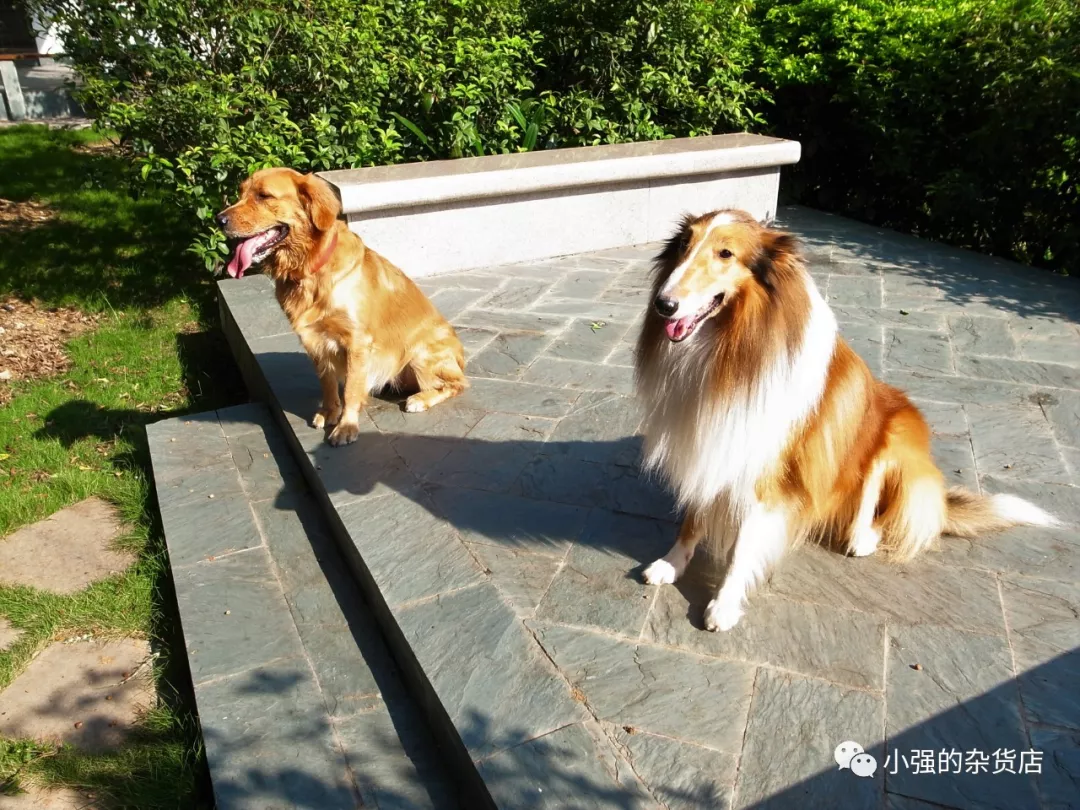
You were the biggest dog I could remember seeing. Standing up, you were taller than me; your face was longer than my entire hand, and your golden coat gleamed. I loved fluffy things then, so grooming you was a joy. That afternoon, I sat on the floor and brushed you from head to toe for half an hour. Then I made you get up and turn over, and brushed the other side for another half hour. You seemed to enjoy it too, eyes half closed as though you were about to fall asleep. It was a quiet afternoon. My aunt had gone for a nap, leaving only you and me in the living room. Sunlight fell on the window to the left and reflected onto your face. You were beautiful.
Taking you out during summer holidays at my aunt’s was great fun. You were the neighborhood celebrity. Everyone greeted you, stroked you, and hugged you. That earned you the privilege of going without a leash. Neighbors didn’t remember one another’s names, but thanks to you, all anyone had to say was “Abu’s owners,” and everyone knew our family.
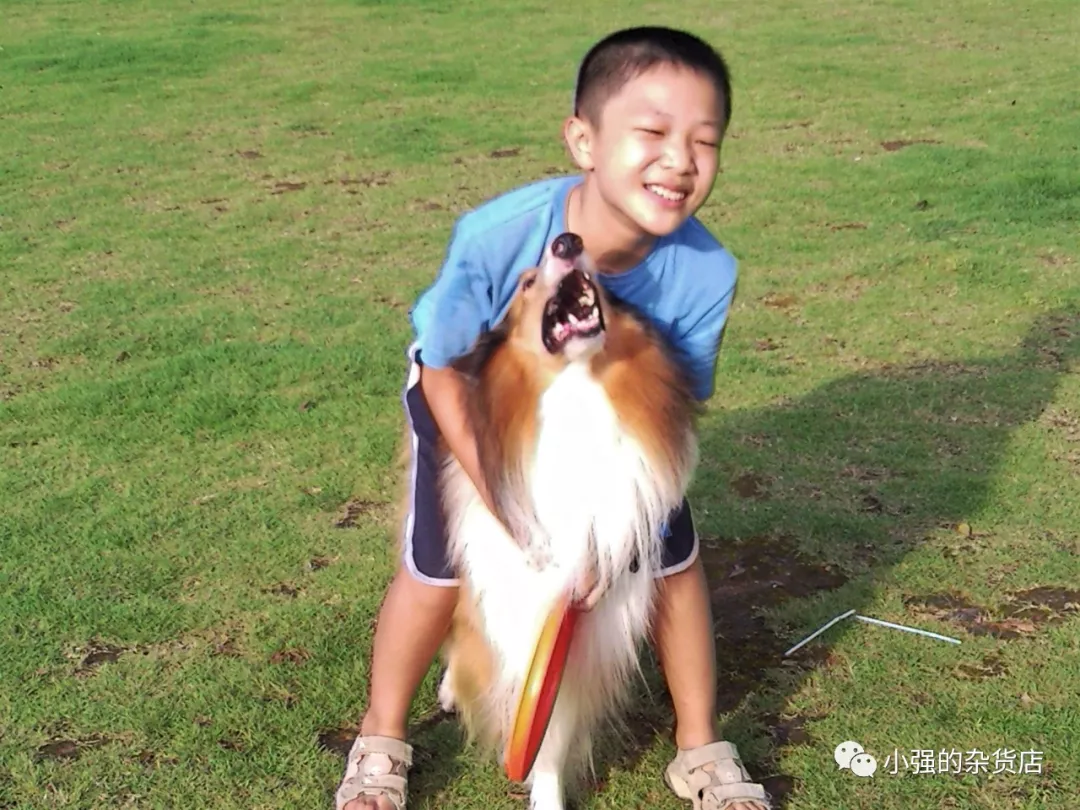
You liked sniffing me with your wet nose. At first, I thought it was snot and was disgusted. Whenever you came over to be affectionate, I had to wash my hands and clothes. Later I learned it was moisture your nose naturally produced, and gradually got used to it. Once you knew my scent, you stopped sniffing me so often. Only when I had petted another dog outside would you come over to investigate whether I’d been “unfaithful.”
Dad arrived a few days later and fell for you too. He wanted to take Abu home to Guangzhou. So father and son began pestering my aunt. She loved you, but didn’t want to disappoint me. Faced with my pleading eyes, she could only part with you reluctantly and let us have you. Delighted with our new family member, we packed up the next day and headed home. Dad and my uncle drove nine hours from Nanchang to Guangzhou. It was a seven-seater with an aisle down the middle. I occupied all five rear seats by myself, and you lay quietly in the aisle beside me. At rest stops, you got out for a drink and a pee. Life was peaceful.
Before turning one, you may have traveled farther than some dogs do in a lifetime. My cousin brought you from Shanghai to Beijing, then sent you to Jiangxi, and finally you came to Guangdong—almost half of China. But after our family took you in, you never left Guangdong again. At most, you visited Conghua or Huadu. You began as a wanderer, then settled down just as you reached adulthood and spent the rest of your life as a “guard dog.” There was something a little regrettable about that.
Getting to know you
When we got home, Mum stared at the enormous creature in front of her as though she’d seen a ghost, and flew into a rage. “How could you two bring home such a huge dog without asking me?” Her words were sharp, but her heart was soft. Your arrival added another entry to her ledger of Dad’s willful behavior, to be brought up whenever they argued. Even so, she took full responsibility for your three meals a day.
Mum accepted you quite quickly, and our family of three became a family of four. Dad joked that his rank at home had fallen another place, though he also had to take on the duty of punishing you when you misbehaved. As before, you had to be taken out twice every day. If a walk was late, your proud, stubborn self would “do something naughty”: pee all the way around the edge of the living-room sofa, protesting through the smell. Your response afterward was “accept criticism humbly, change absolutely nothing.” You looked so wronged that we couldn’t bear to punish you. But no matter how hard Dad hit you, next time you would treat the sofa like a fence and mark it even more enthusiastically. Naively, I first thought you simply couldn’t hold it. Then one day we unexpectedly stayed out all day and returned to a spotless house. Besides admiring your bladder capacity, I realized this whole conflict was a scheme to make sure your walks happened on time.
Training you wasn’t easy. You half-understood compulsory commands, and I couldn’t tell whether you didn’t understand or were pretending not to. Even after all those years, you only obeyed the simple command “sit” when you felt like it. But things you wanted to do, you did very well. Our favorite story was how you learned to open the security door. When the bell rang, you leaped up, put both front paws on the handle, and the door opened. You repeated the trick so often that practice made perfect, and learned to inspect whoever was outside before opening it, making sure it was family. We had one of the earliest automatic doors with facial recognition. After that, we didn’t need to carry keys.
Your eating habits were eccentric. You looked down on ordinary dog food and adored whatever we were eating, which meant we had to beg and plead to get you to eat your own food. Curiously, it was rather like my childhood mealtimes… You loved pouches of wet food, which we sometimes used as rewards. Opening a pouch released such a tempting smell that my mouth watered. I couldn’t resist stealing a piece of chicken, only to find it tasteless. Dog food had no salt. What a disappointment.
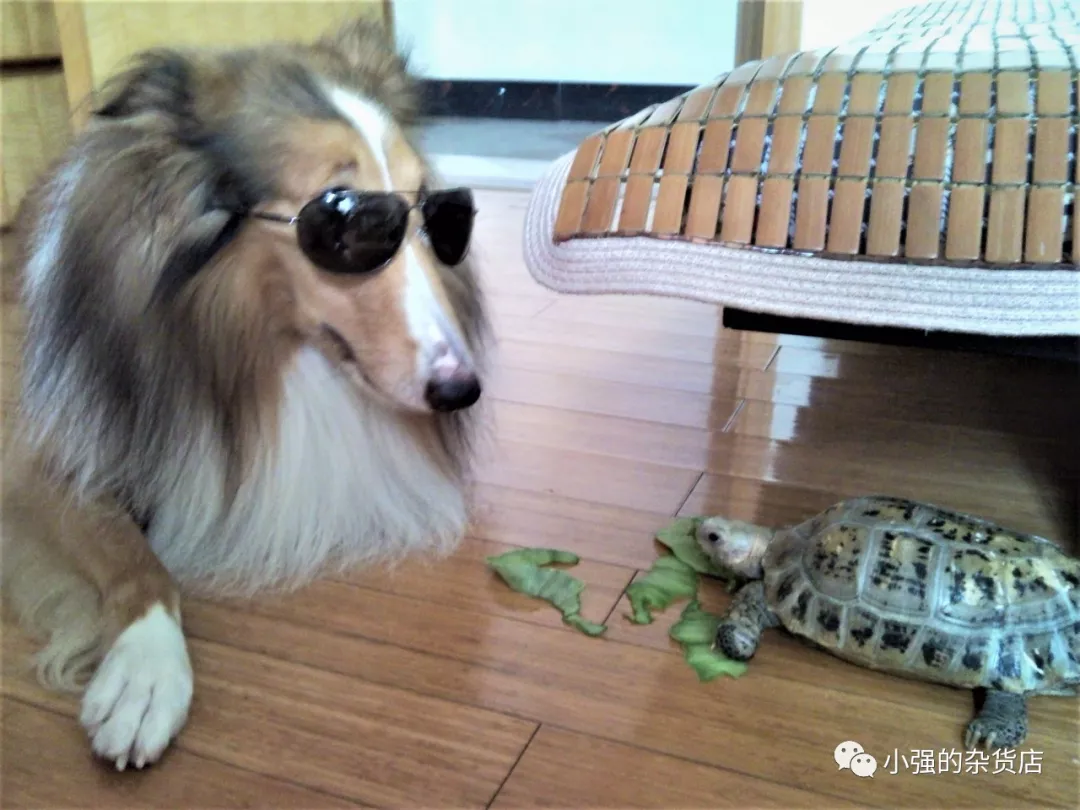
You liked milk. In summer, I froze it in an ice tray for you. The speed with which you ate two cubes at a time made me envy your teeth. But you liked yogurt even more. For a long time, your diet was dog food mixed with yogurt, because you’d finish it without supervision. In fifth grade, school handed out different flavors of Huanong yogurt after class. I brought them home for you, but you rejected every one. You turned your nose up at the artificial flavoring.
Unlike other dogs that loved ribs, you preferred fish. When we made fish soup, we picked the flesh from the crucian carp’s back for you. The countless tiny bones didn’t bother you. We became fish-eating partners: I got the boneless belly, and you got the bony back. Every year on your birthday, I proposed making a special pot of fish soup to celebrate. Watching you enjoy it made us happy too.
When you first arrived, I often tossed you whatever I didn’t like at mealtimes: the corn from carrot-and-corn soup, the char siu bits from sticky rice wrapped in lotus leaves, or the rock-hard peas in fried rice. Eventually, you learned to sit beside my chair and beg. It was a bad habit. After Dad sternly criticized me, I spent several months helping you unlearn it.
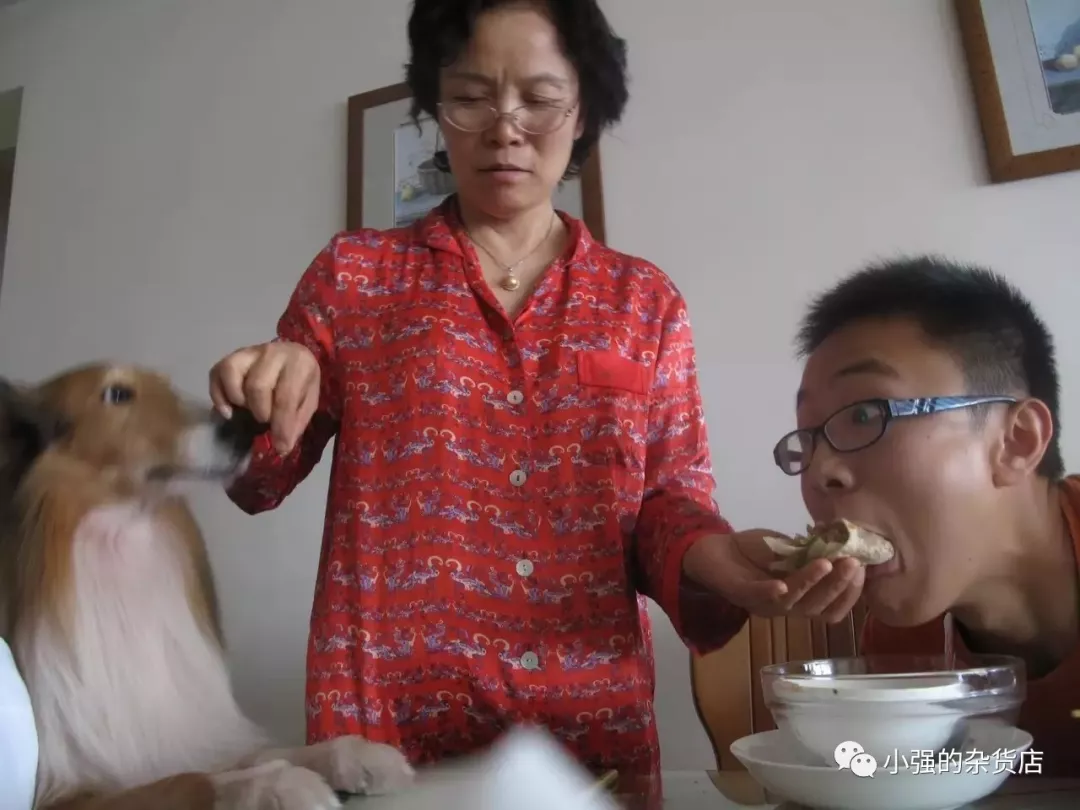
As you grew older, you could no longer eat those high-protein foods, and your diet became more health-conscious. Your favorites were sweet potatoes and Chinese yam, exactly what Mum and Dad had for breakfast. You no longer needed special treatment. We just cooked one extra sweet potato each day.
Honestly, throughout your life you ate differently from other dogs. You ignored all food outside, eliminating the risk of an upset stomach from eating something dirty. Other dogs loved dog food; you needed endless persuasion. Other dogs loved bones and meat; you insisted on fish. Other dogs drank milk; you preferred yogurt. I don’t know whether this independent streak came from accidental spoiling or pride in your bones. It gave you a pampered life but made Mum, who handled your meals, complain endlessly. At half an hour a day, the time spent feeding you exceeded two thousand hours. By that famous ten-thousand-hour rule, Mum was halfway to becoming a “professional dog feeder.”
Having said so much about your willfulness, it’s time to praise you.
You loved an audience. When we ate together, you grabbed a ping-pong ball and entertained yourself, putting on a show for us. Before long, every ping-pong ball in the house was shredded. You moved on to Dad’s practice golf balls, but they were so hard that one shake of your head almost broke a window. We had to buy a bucket of tennis balls just for you to chew. The louder we cheered, the harder you ran. That was our dinner entertainment. In winter, when you were tired, you lay under the dining table and let us rest our feet on you, becoming a “dog-powered heater.”
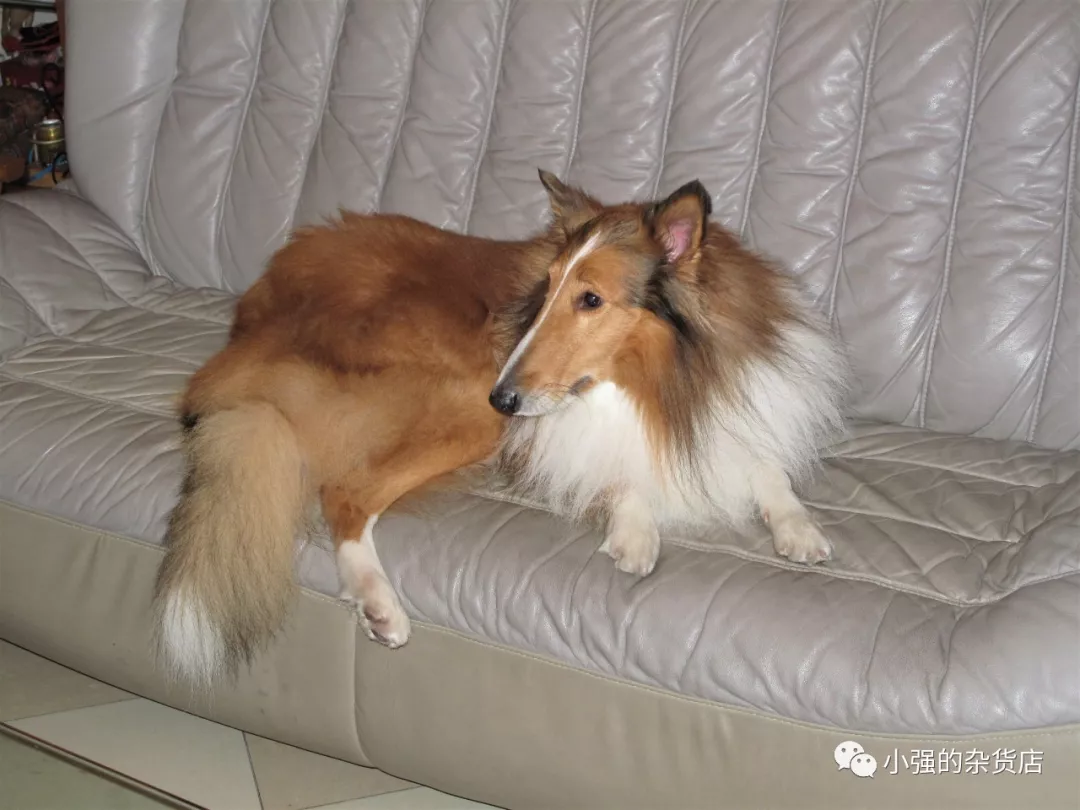
You were sensitive to our emotions. If one of us was quietly upset, you went to comfort them. If an argument broke out, you became the mediator, always unconditionally siding with the weaker party: me before Mum before Dad. Dad got quite jealous. Emotionally, you drew a firm line between family and outsiders. The cleaner had worked for us for seven or eight years, yet your relationship still seemed no more than a casual acquaintance. Meanwhile, even after I had spent over a year abroad, you welcomed me home with all your old enthusiasm.
You never barked at home, except for one or two joyful woofs when you were especially excited. When little dogs barked at you on the street, you politely stepped aside. The only time I saw you bark in anger was one evening when a classmate I didn’t particularly like wanted to visit. Out of politeness, I reluctantly agreed. But the moment we entered, you barked at him so furiously the whole building could hear. Ignoring our scolding, you kept at it until he fled in embarrassment. To this day, I don’t know why you were so angry. If you really sensed that I disliked him, how did you know?
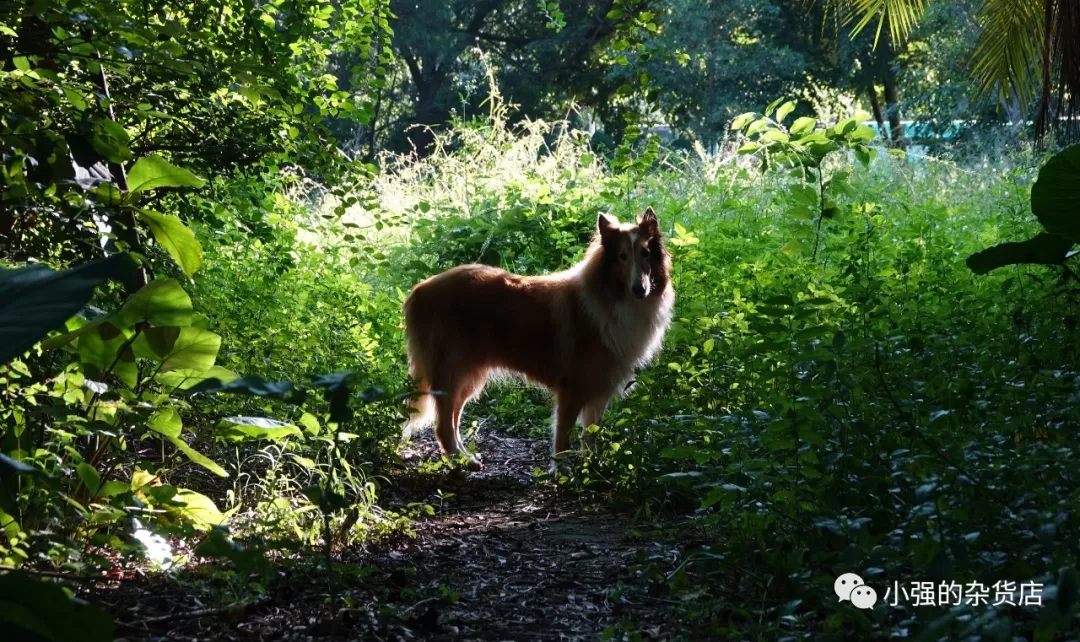
We often went hiking on weekends. Huolu Mountain, which allowed dogs then, became our favorite. You climbed effortlessly, running ahead to Dad and back to escort Mum. You guarded our little hiking party and never let anyone fall behind. At the summit stood two huge rocks that people had to scramble over on hands and feet. You ran up and down as though on level ground, and everyone wanted a photo with you. Afterward, we ate at a farmhouse restaurant at the foot of the mountain. The owner of a place we knew well was also called Abu. Once, when we called your name, he dashed out, giving us a good laugh.
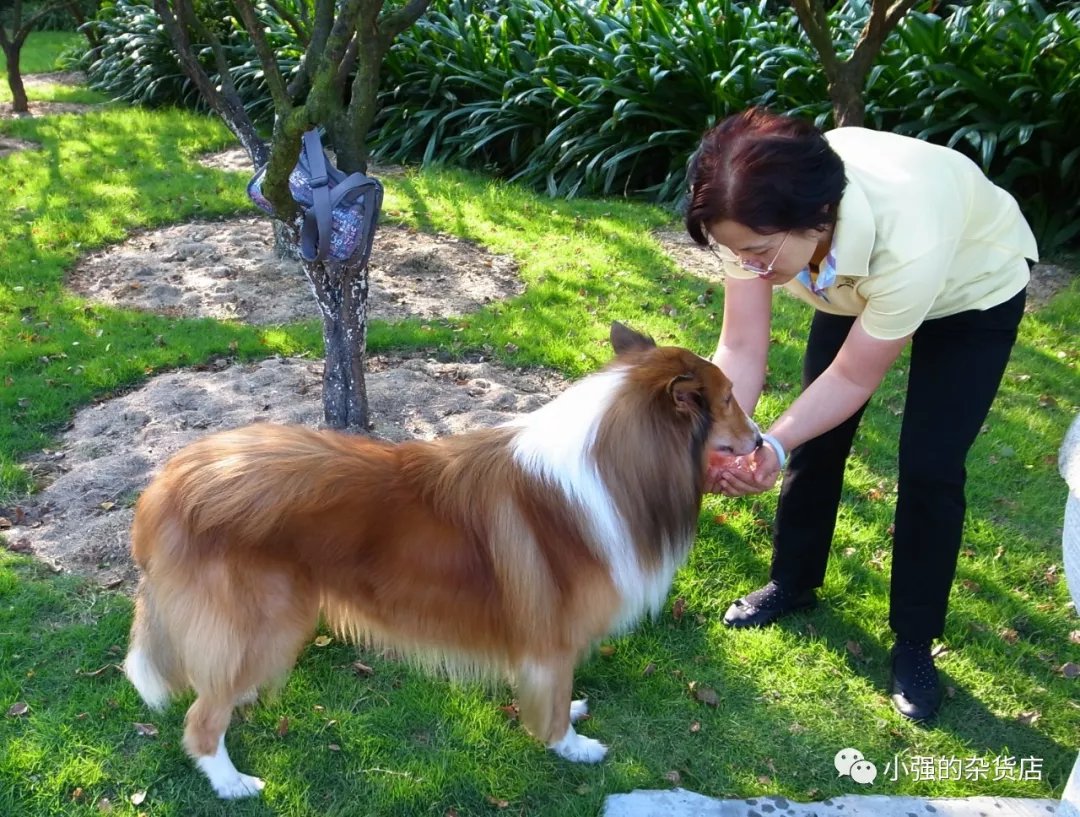
As a child, I loved sleeping with you in my arms, but my parents thought you were too dirty and wouldn’t let you on the bed. One rare night when they were away, I called you up and held you as we slept. You stayed with me until I was still and seemed asleep, then slowly slipped free of my shoulder, gently jumped down, and stood guard outside my bedroom.
Your charm made many people fall in love with dogs. Mum and Dad had three families of close friends, none of whom had kept pets before. Because of you, they all got dogs: a Chihuahua, a golden retriever, and, in the third family, a pregnant Sheltie they happened to adopt, who gave birth to several lovely puppies. Friends who once turned pale at the mention of dogs now insisted on taking theirs with them when they emigrated to America. You certainly made an outstanding contribution to harmony between humans and dogs.
Your love life
You were a gentleman who stood up for the underdog. If you saw two dogs fighting on the street, you always helped the smaller one. When meeting other dogs, you were courteous, putting your best paw forward. Handsome and gentlemanly, you should never have lacked female company. Nobody expected you to remain a bachelor all your life. Perhaps you cared so much for the girls that you saw mating as hurting them, and never crossed that line.
I’ve forgotten your first girlfriend’s name, so let’s call her A. She was a good-looking Sheltie, a little shorter than you—a suitable match. You played happily together on the lawns in Huajing. Once, when A was in heat, you circled her, making urgent courtship sounds, but couldn’t bring yourself to approach. Both sets of owners grew impatient. After more than half an hour, you finally felt ready. But A had already lost patience and barked when you tried to mount her. You ran away in fright and, thoroughly discouraged, never dared think of her that way again.
After a few months apart, we heard that A was pregnant, after being forcibly mounted by a stray dog that appeared from the roadside. Whenever I think of it, I feel regret and look at you with pity. You knew nothing of it and just smiled foolishly at me. Sometimes ignorance is a blessing. If you had known the truth, would you have lain on the balcony regretting it forever?
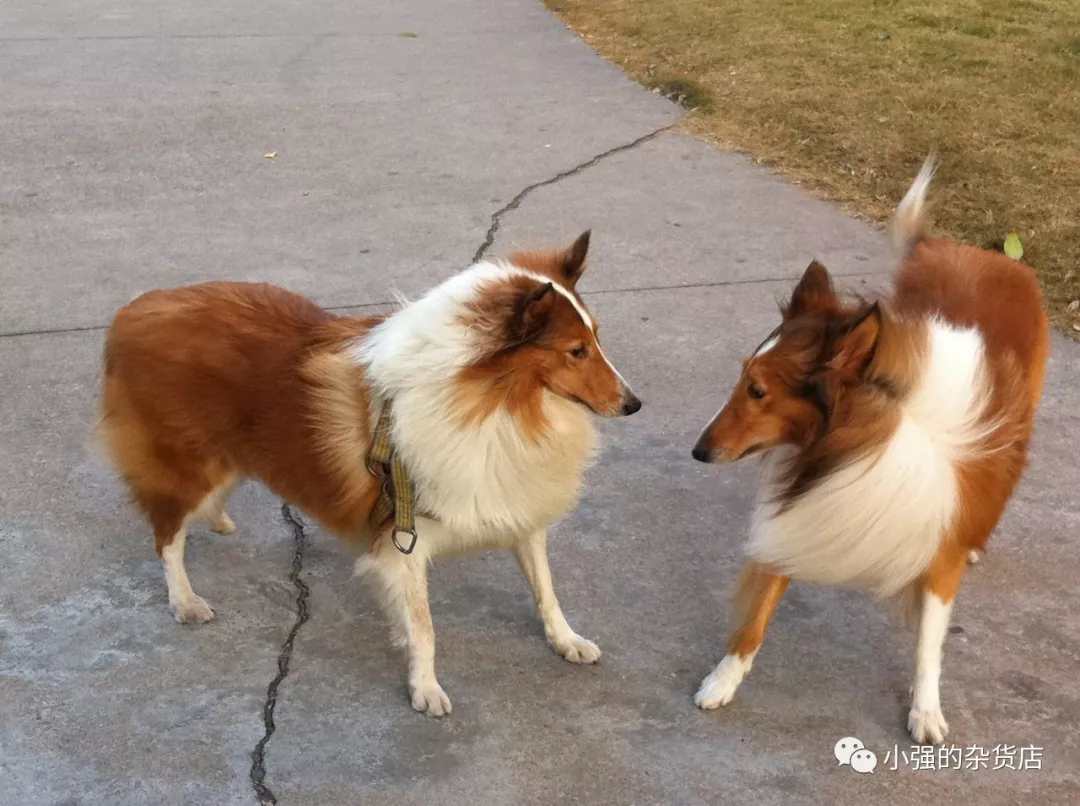
Your second girlfriend—well, perhaps she was only a female friend. Benben was a cheerful, hot-tempered Shar-Pei, and probably your best friend. Every time you met, you wrestled and played for ages. The unavoidable difference in size meant you weren’t suited to becoming a couple. Sometimes Benben even mounted you. I never understood whether she was simply playing or deliberately dropping a hint. Either way, you didn’t seem to learn the secret of mating. When we moved house, that relationship ended abruptly too.
The first two failures made Mum anxious. Upholding the standards of a professional matchmaker, she vowed to find you a lifelong wife—really, she wanted a grandchild sooner. After posting a marriage advertisement online and carefully screening candidates, she found an elegant, dignified match: C. Like you, she was a rough collie. She was sturdily built but gentle and patient. Both families approved, and one lovely afternoon we met at South China Agricultural University. After a brief nose-touching greeting, you circled C just as you had years earlier, without daring to act. “Go on, then…” Mum frowned. Hearing the order, you made your move and fiercely hugged… one of C’s legs. “What’s the use of holding a leg? Hold her waist and mount her!” Mum nearly fainted with frustration and had to adjust your position herself. Everything had been maneuvered into place, yet you still seemed not to know what to do. After holding on for a while and doing nothing, you jumped down.
That summer afternoon, C’s owner and I watched, stunned into embarrassed silence. We’d seen clueless dogs, but never anything like this. After two hours of trying, Mum exhausted her patience and pronounced sentence: “You deserve to stay single for life.”
I often wonder why someone others saw as tall, rich, and handsome remained chaste forever. Whenever I feel sorry for you, I struggle to tell whether the protagonist is you or the person I see in the mirror. Our stories are simply too alike. My only conclusion is that being too much of a gentleman isn’t necessarily good. Like you, if you care too much about other people’s feelings, you may be the one who ends up hurt.
Saying goodbye
Cruelly put, in my memory the Abu I knew had already died two or three years earlier. What remained was only a deteriorating shell.
I didn’t witness your last few glorious years. Living away, I could only learn about your life through scraps of telephone conversation. When you were eleven or twelve, a car accident broke one of your front legs. The operation wasn’t very successful, and you spent more than half a year limping. But dogs truly have remarkable powers of recovery. When I came back a year later, you were running nimbly again, and the broken leg had completely healed.
Our aversion began with your bad breath. Years of gum disease worsened with age, and your mouth became a walking rubbish bin. No amount of rinsing or dental cleaning helped. Your dripping saliva even corroded the wooden floor, leaving marks after we wiped it. As the smell grew worse, we could only keep you on the balcony, because whenever you came inside, a foul odor followed.
Mum said you actually aged very quickly. One day, for no clear reason, you could no longer run. When called, you could only amble over. Your eyes and ears worsened too; you couldn’t hear us calling from a distance. Before, on walks, one call sent you bursting from the bushes to wait ahead of us. Now we had to urge you along from behind. Walks grew longer as your steps grew slower. Later, your aging bladder also developed problems. Two walks a day no longer let you hold on, so we added a midday outing. When your bladder was full in the morning and you saw Dad, fear sometimes made you lose control and draw a huge map on the floor. Dad didn’t know whether to laugh or be angry. He could only rush you outside and deal with your “naughtiness” afterward.
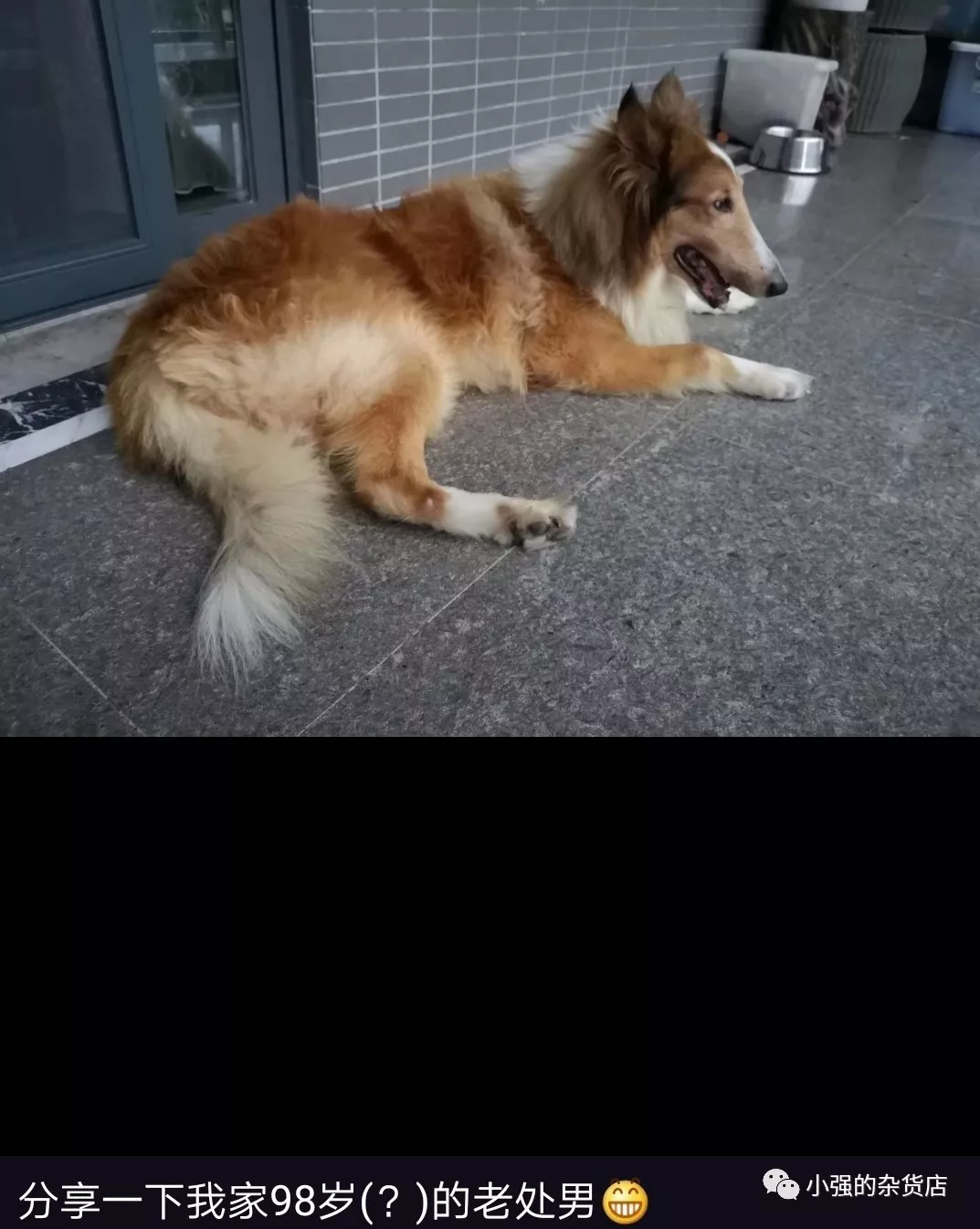
People say that old people who cannot care for themselves tend to be resented. I slowly began to understand that feeling. Even though you had given us countless happy moments, when caring for your everyday needs became a burden, dissatisfaction inevitably crept in. You understood. Knowing that your smell put us off, you stopped coming over for affection. You could only sit on the balcony, staring blankly at the family eating indoors, your eyes full of loss.
When you began aging three or four years earlier, I prepared myself mentally and treated every meeting as the last. Before each goodbye, I told my parents you might not make it through the winter. But you remained full of life, surviving one year after another. As a new decade approached, you fell just before dawn.
It was the National Day holiday. Mum and Dad wanted to go away, and finding someone to look after Abu became a problem again. Mum wanted a neighbor to help, while Dad and I didn’t want to trouble anyone and insisted on a pet shop. You were deeply attached to home; being unable to see familiar people there would wear down your spirit. I knew that perfectly well. Yet I wanted to treat it as a trial: if you passed, perhaps you’d have a few more happy years. If not, we could only leave it to fate.
In the end, you didn’t survive that trial.
Mum said the shop called just before they were due home: you couldn’t stand, and wouldn’t eat or drink. They hurried back to Guangzhou to collect you. You were like a corpse with only the faintest breath: blind, deaf, and covered in wounds from rubbing against the floor. When you sensed Mum near you, you couldn’t stop crying. Your tears flowed for a day and a night. You must have misunderstood us and thought we were abandoning you in your old age. We weren’t.
That weekend, I made time to come home from Hong Kong and see you one last time. It was the first time I had seen a dying dog. You lay on the floor with vacant eyes and gave no response to my arrival. Despite the heat, your mouth remained shut. Only your chest rose and fell regularly. We made an exception and let you lie in the dining room with us, enjoying the air conditioning while we ate. You stared ahead, occasionally blinking to show you were still alive.
I told Dad you looked as though you were suffering. Perhaps we should let you go while it was convenient that weekend. He thought about it and decided you could hold on a little longer. “I’m the one who brought him home. I’m responsible for staying with him through the last part of his journey.” I had to leave him to handle your passing alone.
People in the countryside say native dogs have a spiritual understanding: when their time is near, they leave their owners’ homes and wait quietly for death in nearby woods. You seemed to have that understanding too. A week later, you kept your mouth closed and refused everything we tried to feed you. Although your organs were failing and you were in tremendous pain, you made no sound. Your face was peaceful, as though asleep. With no other choice, Dad took you to be put to sleep.
Your story is over.
All in all, your life as a dog was fairly complete. You visited many places and made many friends. The people you loved most stayed beside you through your final journey. Though you never experienced the pleasure of mating, you were still much luckier than those friends neutered at the start of life. The last time I looked at you, your eyes were calm. Perhaps you had no regrets either.
After losing you, I felt empty for a while. To stop being sad, I tried to forget you, to peel your part out of the memories of my past decade and more. Then I found that without you, my memories fell apart. I would no longer be myself. Ultimately, writing you down is only a way of not forgetting who I am.
I miss you so much.
I miss your delight at going out each day and your handsome figure racing over the grass. Even the evidence you left around the house when you sulked seems a little endearing now.
I want to return to that summer afternoon, lying together on my aunt’s living-room floor. The slanting sun comes in, your coat gleams, I brush you, and you lick my hand. In that world, it seems there are only the two of us, nestled together.
Give me just a little more time. I want to hold you one more time.
もう少しだけでいい
Just a little more time is enough.
あと少しだけでいい
Give me just a little more time.
もう少しだけでいいから
Really, just a little is enough.
もう少しだけでいい
Just a little more time is enough.
あと少しだけでいい
Give me just a little more time.
もう少しだけ くっついていようか
Let us stay nestled together a little longer.
My eyes blur. The sea view at the university turns into a great lawn. In the sunset, I seem to see you playing in the distance. I call softly, and you race toward me, draped in evening light, leaping into my arms.
Just like every afternoon ten years ago.
January 2, 2020